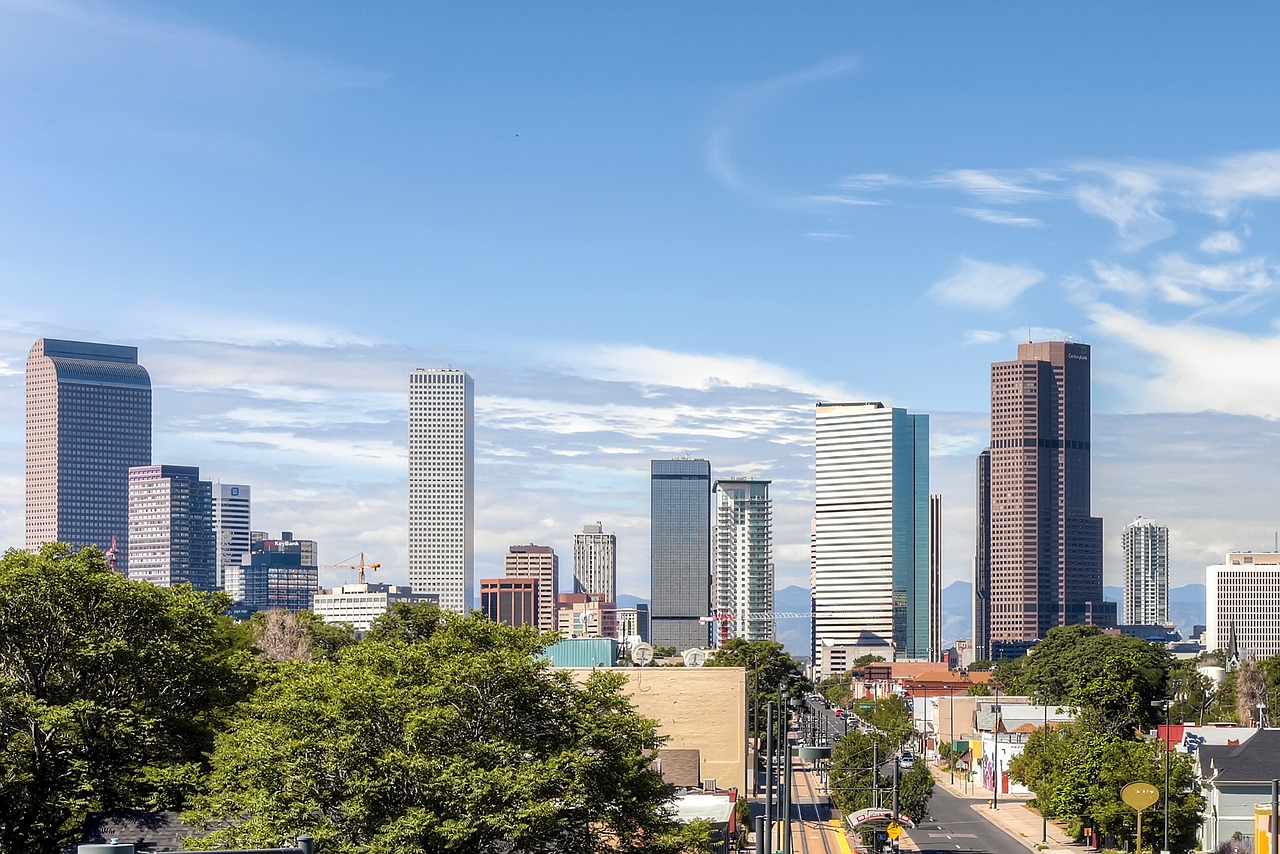
A few weeks ago, our Colorado clients and the broader Denver real estate community received an early Christmas gift when the city and county of Denver Office of Climate Action, Sustainability and Resiliency issued an update to their Energize Denver requirements.
After receiving input from the business community, the office has determined that “building owners, managers and service providers need more time to meet Energize Denver requirements.”
As such, they have made the following changes:
- The 2025 interim compliance target is postponed to 2026.
- The 2027 compliance target has been eliminated.
- The final compliance target remains in 2030. If needed, buildings can establish an alternative timeline through the Energize Denver process.
This extension gives building owners additional time to implement energy efficiency projects that will help them achieve compliance with Energize Denver’s building performance standards. Since only the deadlines are changing (and not the standards or metrics themselves), Denver building owners now have an additional year to implement their efficiency projects. The interim deadline remains important for incremental efforts in advance of the 2030 final compliance target, as both deadlines have financial penalties for noncompliance.
For our existing Denver customers, we will continue implementation plans for this year’s energy efficiency projects. For other Denver building owners who are concerned about meeting the 2026 interim compliance target, now is a great time to get started.