
Continuous Commissioning, Continuous Results
From energy audits to installation and ongoing operation, continuous commissioning takes many forms and InSite excels at all of them.

Drift Happens. Don’t Let It Override Progress Toward Your Optimization Goals.
Monitoring based commissioning (MBCx), with InSite allows you to:
- Understand current operating conditions
- Establish automated monitoring to manage drift
- Focus on high impact equipment
Schedule a call to discuss options for a continuous commissioning or MBCx program that makes sense for you and your assets.
Start the Journey with Continuous Commissioning
- Conduct
-
Conduct energy audit
Continuous commissioning or MBCx efforts typically start with ASHRAE Level II energy audits. These audits provide understanding of current operating conditions. ASHRAE Level II audits also deliver documentation that is critical to long-term planning as well as ongoing change management.
- Install
-
Install or connect to existing Fault Detection and Diagnostics (FDD) system
Continuous commissioning programs, especially monitoring-based commissioning, thrive with connection to live data. This enables normalization and historical analysis through a flexible analytics engine. This technology can then integrate with most OEM building automation systems on the market today. From there, the system automates anomaly detection and equipment monitoring for streamlined optimizations.
- Track
-
Track Energy Conservation Measures (ECM)
Phase 3 of a continuous commissioning or monitoring-based commissioning programs identifies energy efficiency opportunities, analyzes their cost and impact and delivers results. The ongoing ECM tracker enables teams to prioritize high value equipment and high impact results.
- Adapt
-
Adapt and refine
The most successful continuous commissioning, ongoing commissioning or MBCx programs allow time for on-site teams to meet regularly with Professional Engineers. These SMEs deliver their energy knowledge through managed services so internal stakeholders can report, track, implement and adjust with confidence.
Conduct energy audit
Continuous commissioning or MBCx efforts typically start with ASHRAE Level II energy audits. These audits provide understanding of current operating conditions. ASHRAE Level II audits also deliver documentation that is critical to long-term planning as well as ongoing change management.
Install or connect to existing Fault Detection and Diagnostics (FDD) system
Continuous commissioning programs, especially monitoring-based commissioning, thrive with connection to live data. This enables normalization and historical analysis through a flexible analytics engine. This technology can then integrate with most OEM building automation systems on the market today. From there, the system automates anomaly detection and equipment monitoring for streamlined optimizations.
Track Energy Conservation Measures (ECM)
Phase 3 of a continuous commissioning or monitoring-based commissioning programs identifies energy efficiency opportunities, analyzes their cost and impact and delivers results. The ongoing ECM tracker enables teams to prioritize high value equipment and high impact results.
Adapt and refine
The most successful continuous commissioning, ongoing commissioning or MBCx programs allow time for on-site teams to meet regularly with Professional Engineers. These SMEs deliver their energy knowledge through managed services so internal stakeholders can report, track, implement and adjust with confidence.
Our Continuous Commissioning Expertise
Continuous Commissioning Program Management
- Establish ECM tracking
- Provide monthly status and outcomes reports
- Analyze opportunities
Continuous Commissioning Tech Implementation
- Establish secure connection to operational data
- Set up FDD platform
- Deliver ongoing automated reports
Continuous Commissioning Market Expertise
- Coordinate with BAS, controls and other vendors
- Collaborate with related stakeholders across partner organizations
Industries We Serve
INDUSTRIES
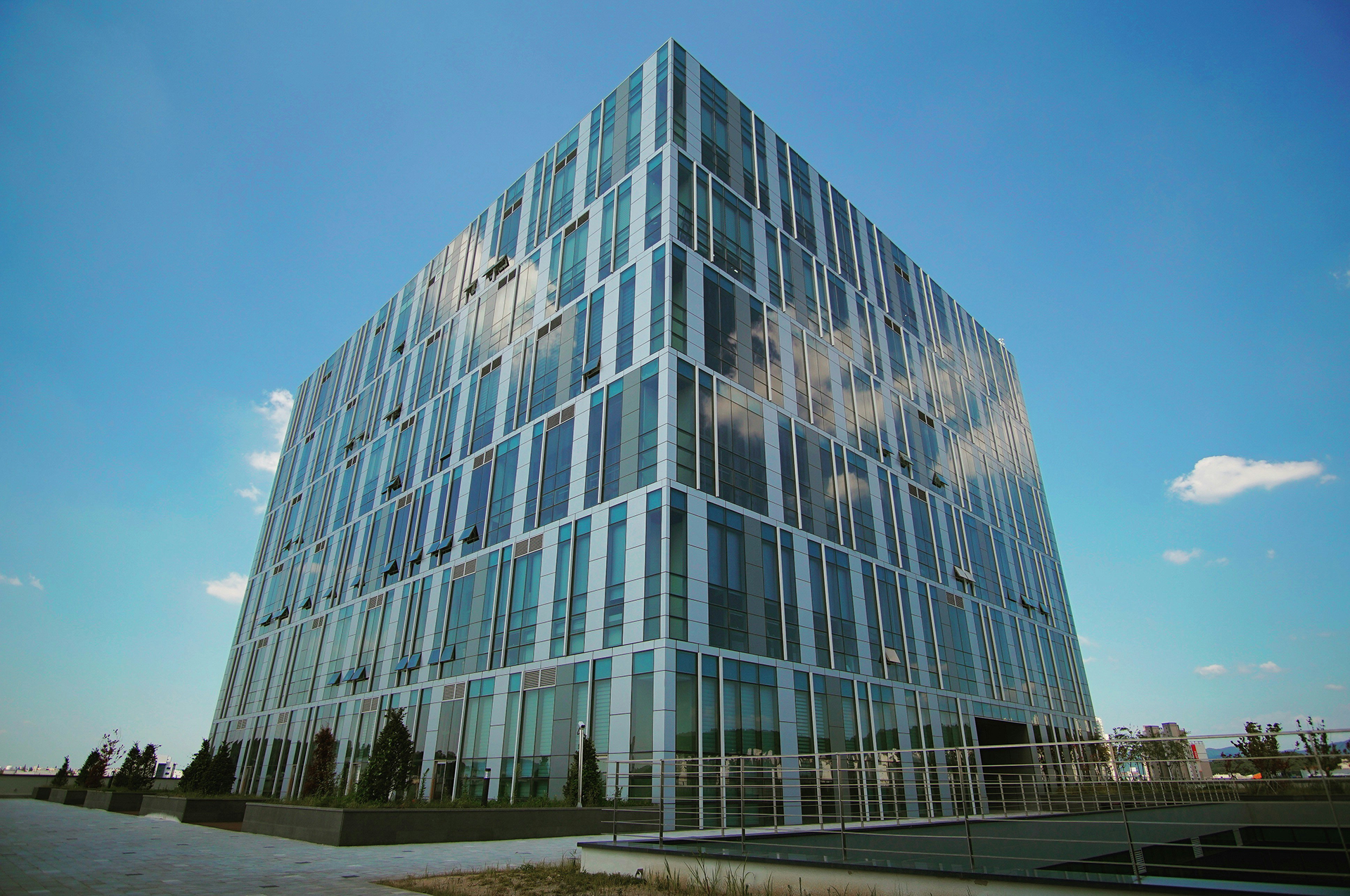
InSite solutions deliver unique, untapped value by offering native and customized solutions to many different types of real estate owners and operators including commercial buildings and offices.

INDUSTRIES
With InSite, healthcare organizations and their critical facilities can reduce the risk associated with deferred maintenance through a program that pays for itself and doesn’t impact the delivery of high quality patient care.

INDUSTRIES
InSite provides unified and highly detailed sustainability reporting and bill pay analysis for hotel owners, operators and brands across national portfolios and for individual property needs.

INDUSTRIES
With InSite, government entities can improve efficiency across building operations with prescriptive plans based on real conditions such as occupancy, load requirements, peak demand and a variety of other factors.

INDUSTRIES
InSite solutions are ideal for higher education campuses focused on healthy buildings, energy efficiency and optimization. With data + engineering capabilities, we are a force multiplier for campuses.

With direct access to operational data, InSite provides value through MBCx by:
- Conducting thorough, outcomes-based energy audits
- Augmenting internal teams in FDD implementations
- Delivering world class program management

Subscribe to Our Blog
Subscribe to our blog to receive relevant thought leadership articles on energy management and systems optimization for buildings in commercial real estate, hospitality and healthcare. Stay up to date on data trends, efficiency recommendations and process improvements that will make a big impact on your company’s bottom line.