WHERE INSIGHT MEETS IMPACT

InSite Blog

Expert insights on building performance, energy optimization, and operational intelligence.

Buildings 35,000 square feet and larger, excluding parking garage areas, must comply with Maryland’s new standards. This applies to many warehouses, office buildings, multi-family housing buildings, and stores.
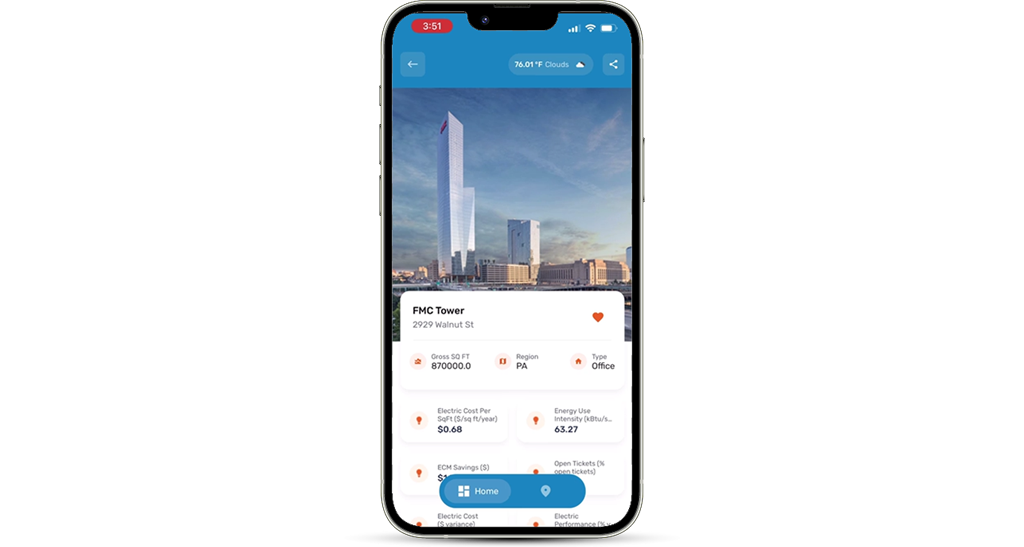
InSite Organize building view on phone
Energy Star Solution Provider Partners, like InSite, are equipped with the expertise needed to effectively navigate building performance best practices.
Sustainability continues to rapidly rise up commercial real estate stakeholders’ agendas. While there is increased societal pressure for CRE to reduce its impact on the environment, perhaps more pressing is the increased legislation demanding that organizations demonstrate and improve energy efficiency.
Smart Sustainability
The built environment is seeing owner- and operator-centered pressures collide as sustainability and, more specifically, operational performance goals come to the forefront.
In the realm of jurisdictional mandates for sustainable and energy-efficient operations, Building Performance Standards (BPS) and Benchmarking play pivotal roles in ensuring that buildings adhere to specified levels of performance.
Bisnow spoke to building intelligence and technology company InSite’s director of sustainability, Kylie Ford, and Energy Analyst Kerren Segal to understand how regulations are evolving and what property owners must consider to stay ahead of the game.
It’s fun to dream about a smart building being run by a humanoid-interactive robot called JARVIS or Sophia. Having a “humanoid”/Artificial Intelligence (AI) assistant, like the “do-it-all robots” seen in the movies, could be quite helpful.
In Mid October, InSite’s Kylie Ford, spoke at an AHLA Sustainability Committee meeting moderated by Townsend Bailey (IHG). In an effort to continually move towards environmental stewardship with measurable business impacts
Data is central to how InSite delivers its value to customers in developing ESG strategies, achieving operational excellence, and enabling sustainable operations. As the built environment becomes richer in data, managing the data quality becomes of paramount importance.
Formalize
Stakeholders are being challenged with balancing a plethora of constraints such as: thermal comfort guidelines, energy management, occupant health and safety requirements, equipment maintenance, and efficient facilities management.
Washington D.C. has created rigorous goals of reducing greenhouse gas emissions and energy consumption by 50% by 2032 in addition to reaching carbon neutrality by 2050.

Subscribe to Our Blog

Subscribe to our blog to receive relevant thought leadership articles on energy management and systems optimization for buildings in commercial real estate, hospitality and healthcare. Stay up to date on data trends, efficiency recommendations and process improvements that will make a big impact on your company’s bottom line.